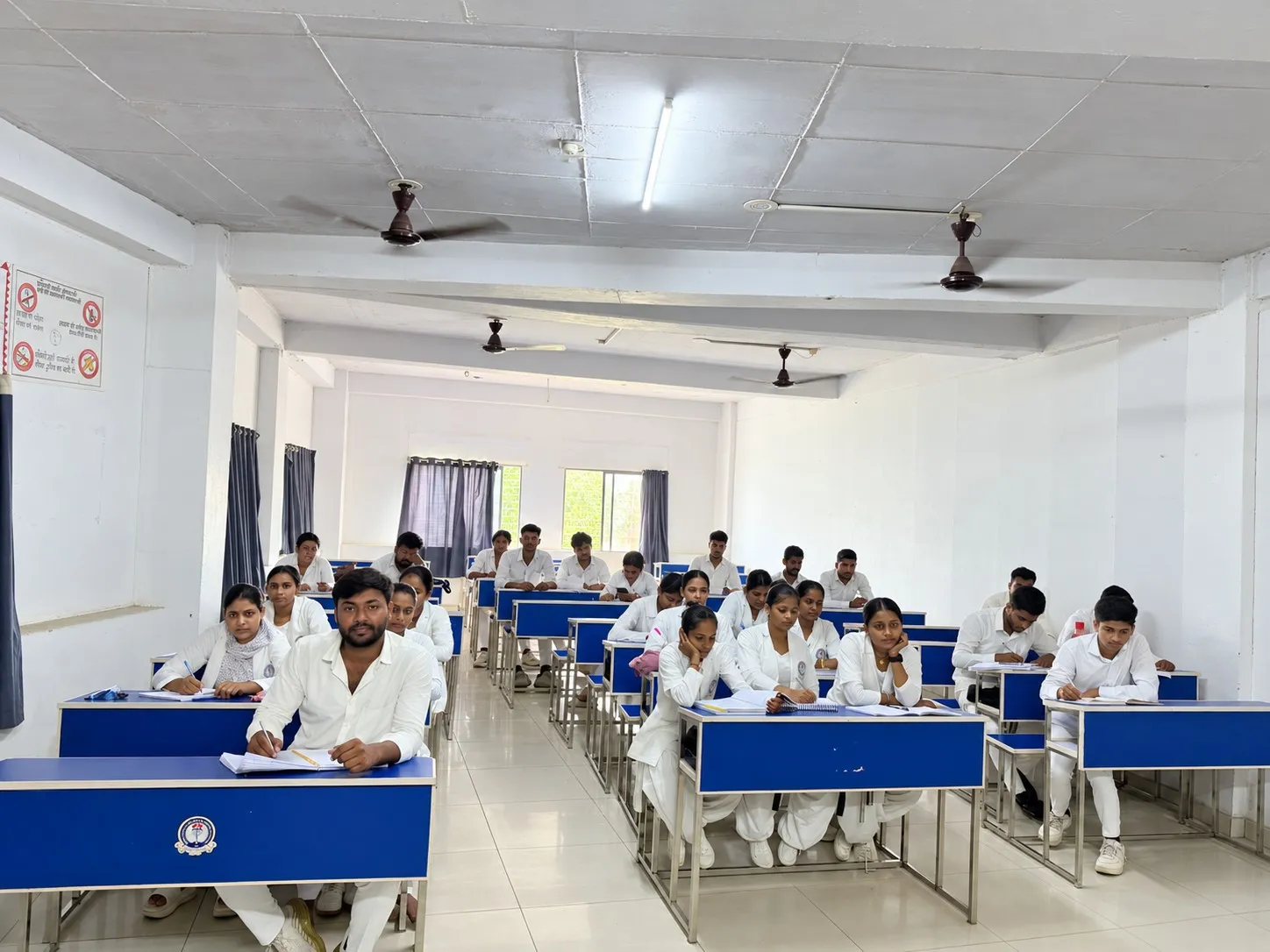
Nursing Foundation Laboratory
The laboratory covers fundamental nursing procedures, patient care, vital signs (basic measurements of a patient’s condition), bed-making and infection prevention. You learn to prepare for a procedure and keep the patient comfortable during care. Repeated practice helps you follow the steps in order and attend to hygiene before applying them on the ward.
What students practise: You practise vital signs, bed-making and infection prevention alongside ward training.
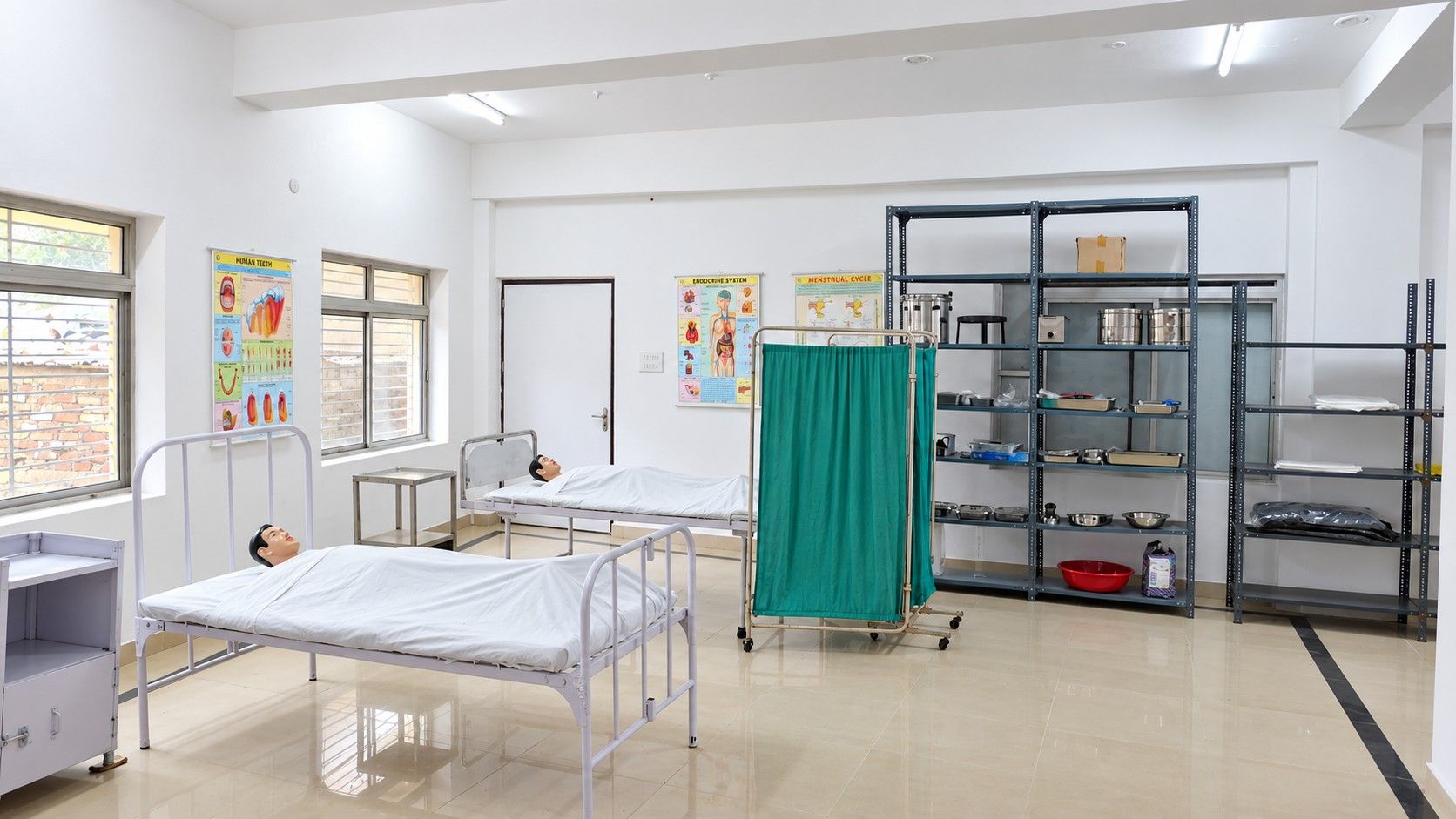
Nursing Skills Laboratory
Nursing procedures, clinical techniques and patient assessment are taught through demonstration and supervised practice. You observe how a procedure is carried out, then practise its steps with guidance. You learn to relate your observations to the care a patient needs and to recognise when to seek help.
What students practise: You practise procedures and patient assessment under supervision.
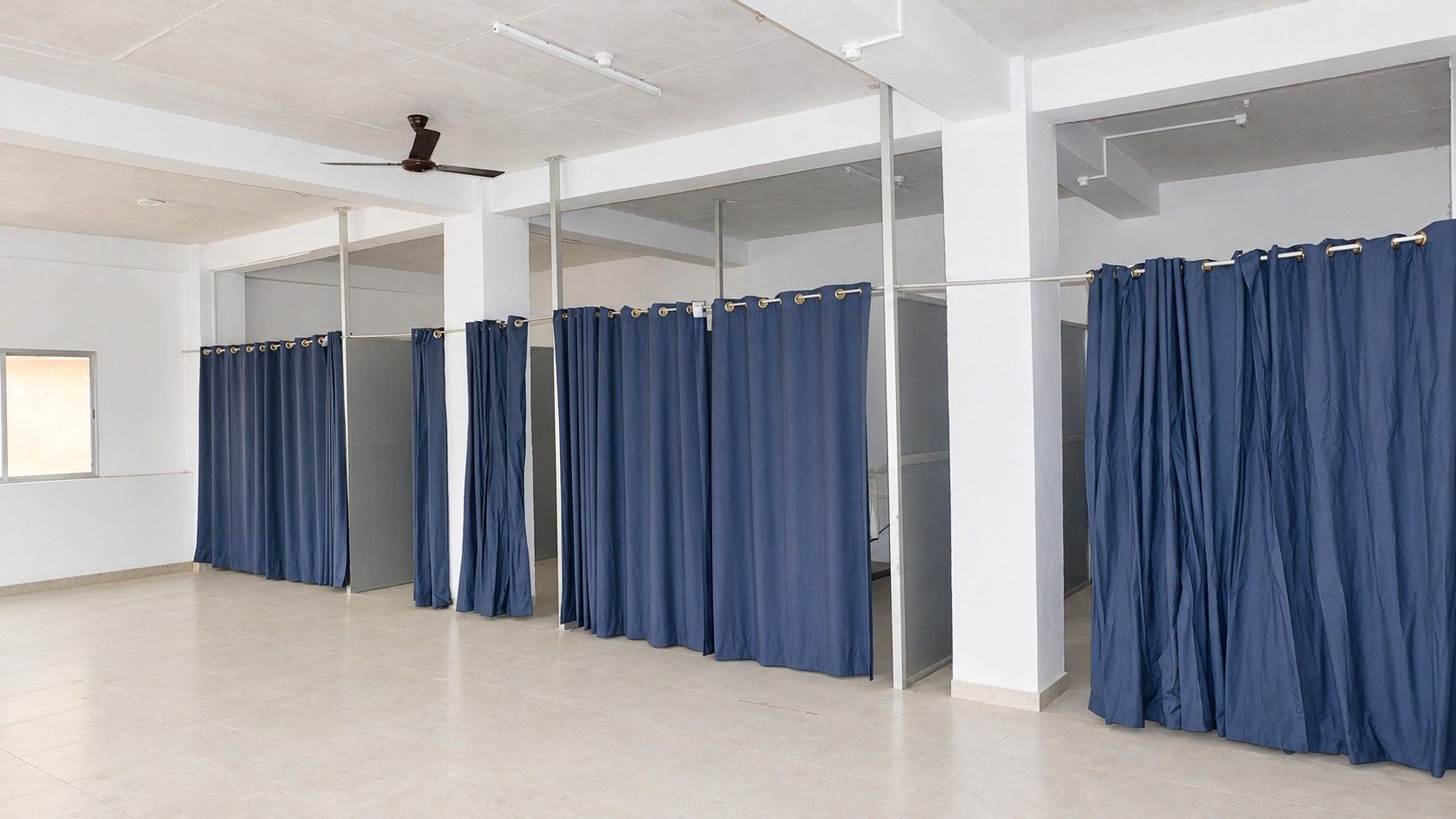
Paediatric Nursing Laboratory
The laboratory covers newborn care, child health assessment and paediatric nursing procedures, which concern the care of children. You learn to adapt care to a child’s age and stage of development. Practice includes observing the child and explaining care to parents, in preparation for work on the paediatric ward.
What students practise: You practise newborn care and child health assessment alongside ward training.
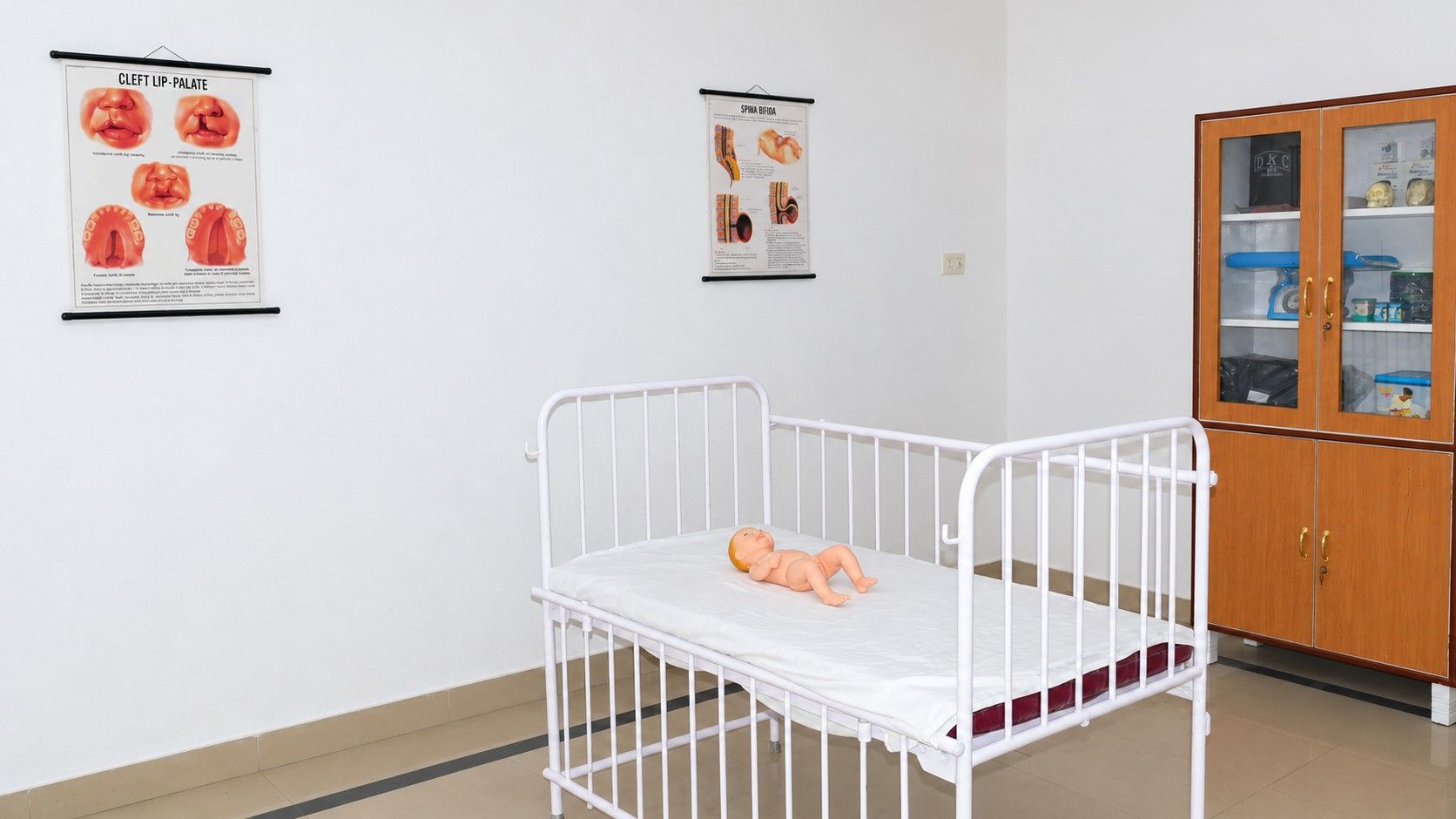
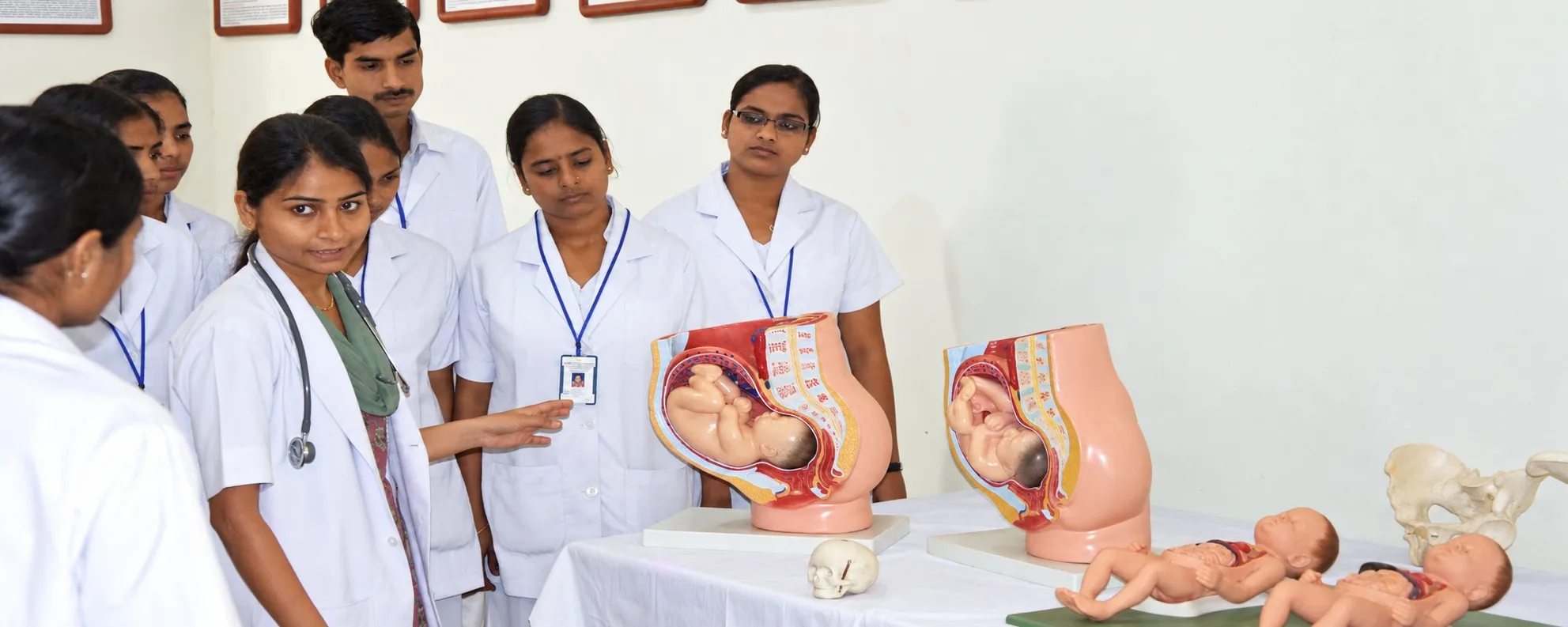
Obstetrics and Gynaecology Laboratory
The laboratory covers antenatal and postnatal care (care before and after childbirth), childbirth-related nursing procedures and women’s reproductive health. You learn how a mother’s care needs change during pregnancy and after delivery. Laboratory practice prepares you to observe mothers and newborns and assist with care under supervision.
What students practise: You practise care before and after childbirth and childbirth-related procedures.
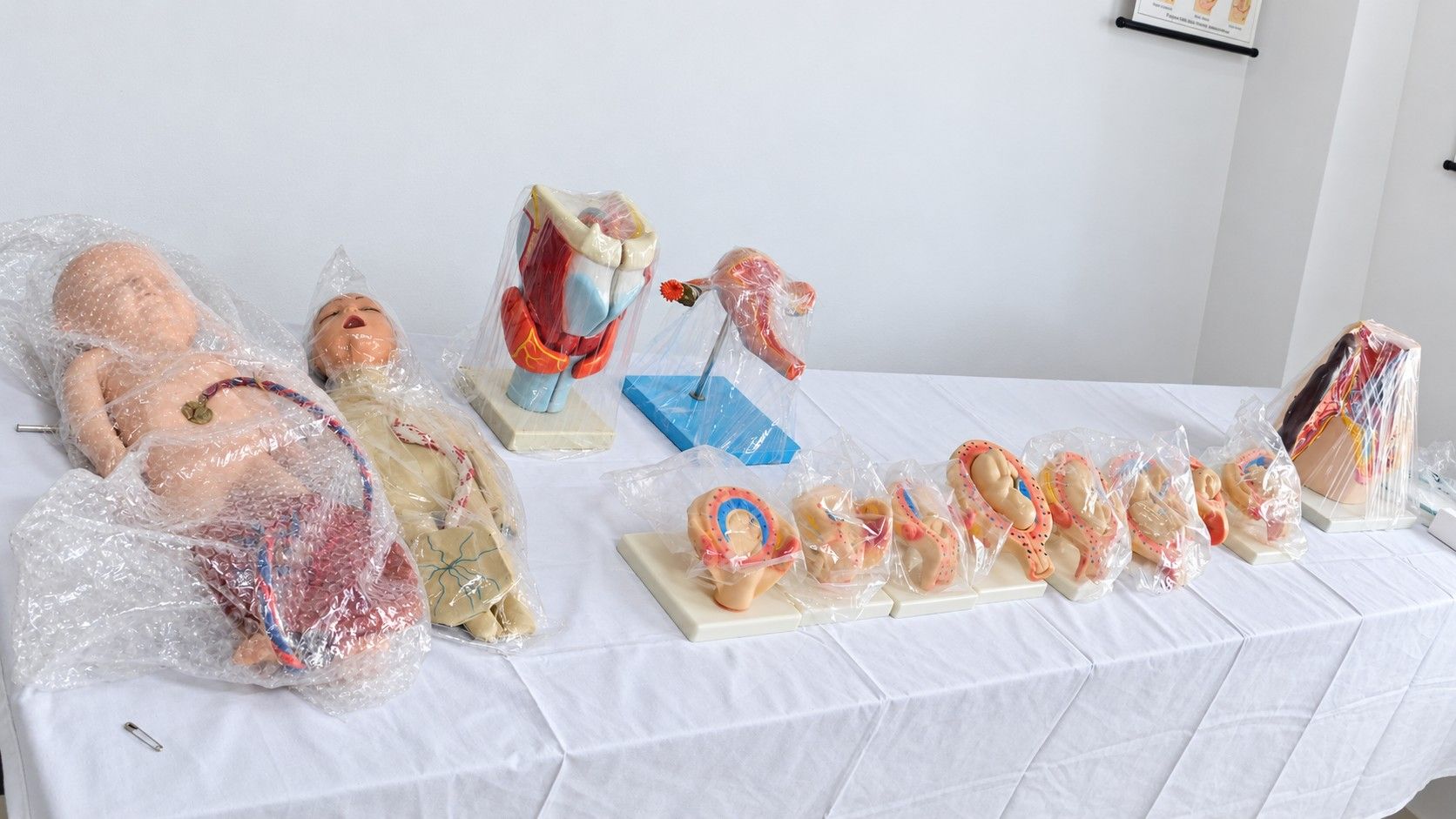
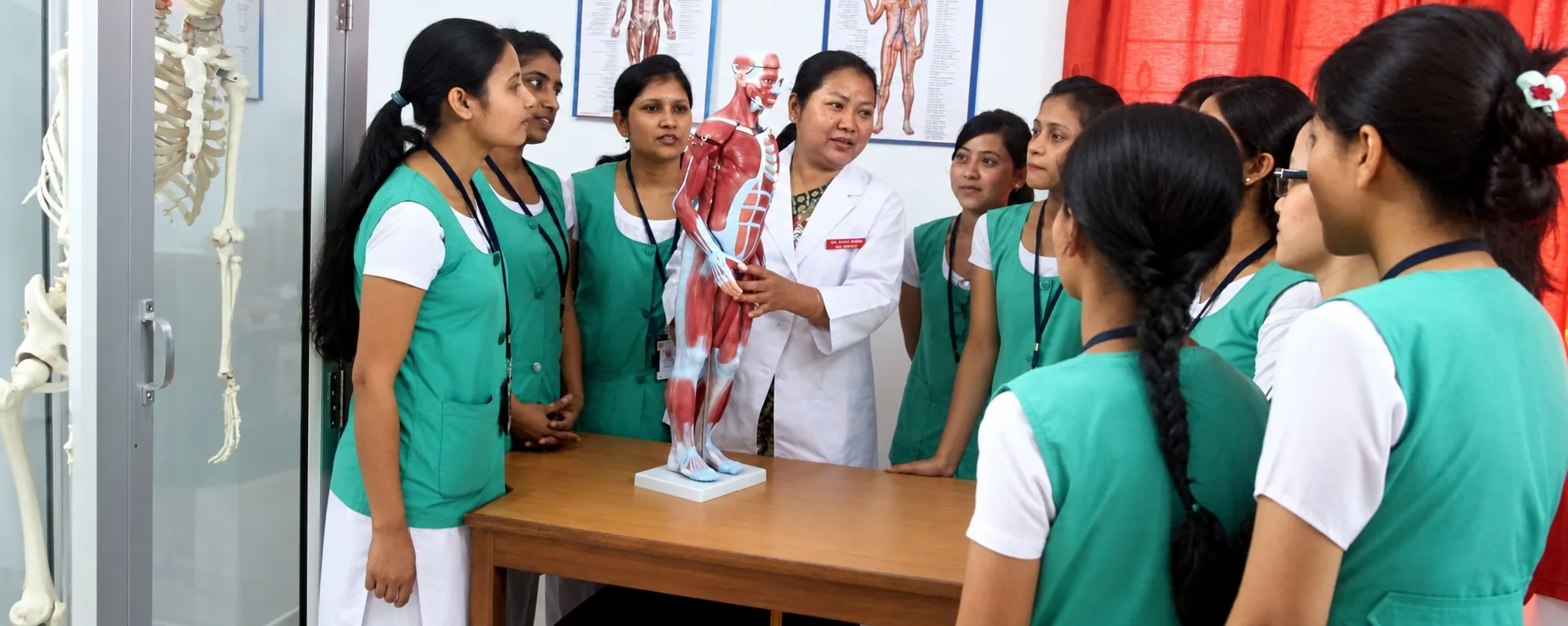
Pre-Clinical Science Laboratory
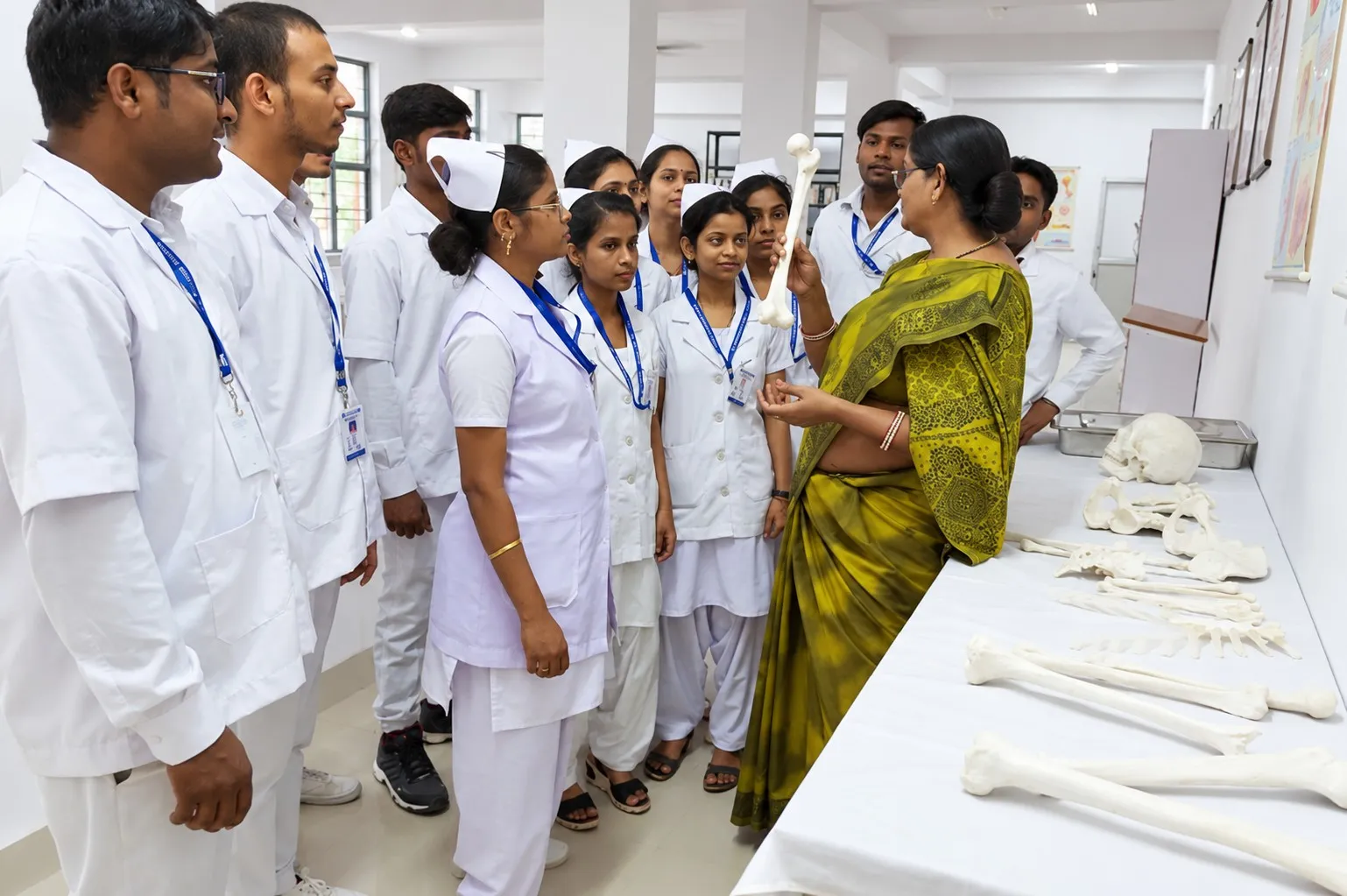
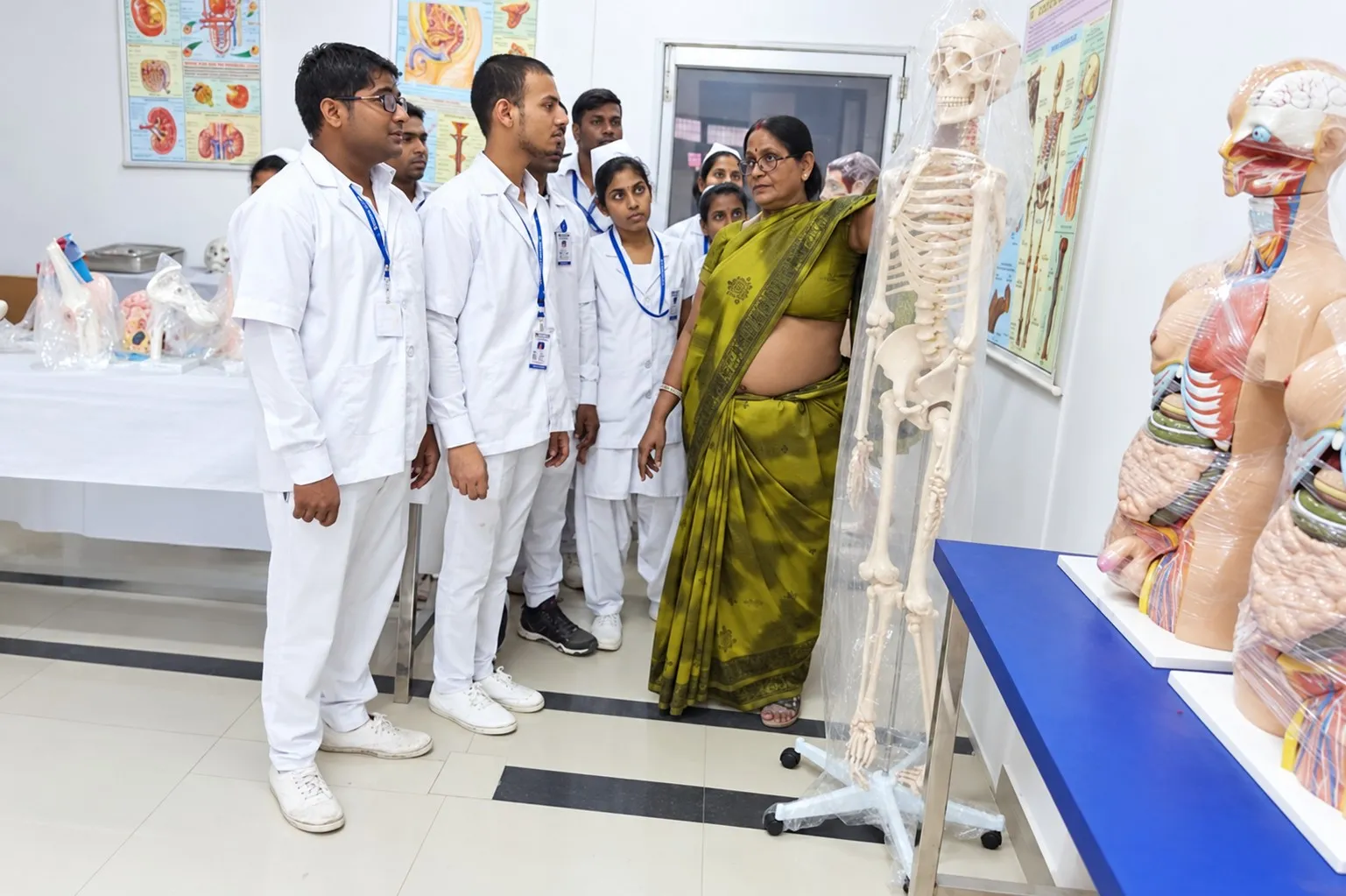
Teaching covers anatomy (body structure), physiology (how the body works), microbiology (the study of microorganisms) and other foundation subjects. You relate body structure and function to the observations made during patient care. Understanding microorganisms also helps explain why infection prevention is part of routine nursing work.
What students practise: You study the science underpinning clinical subjects.
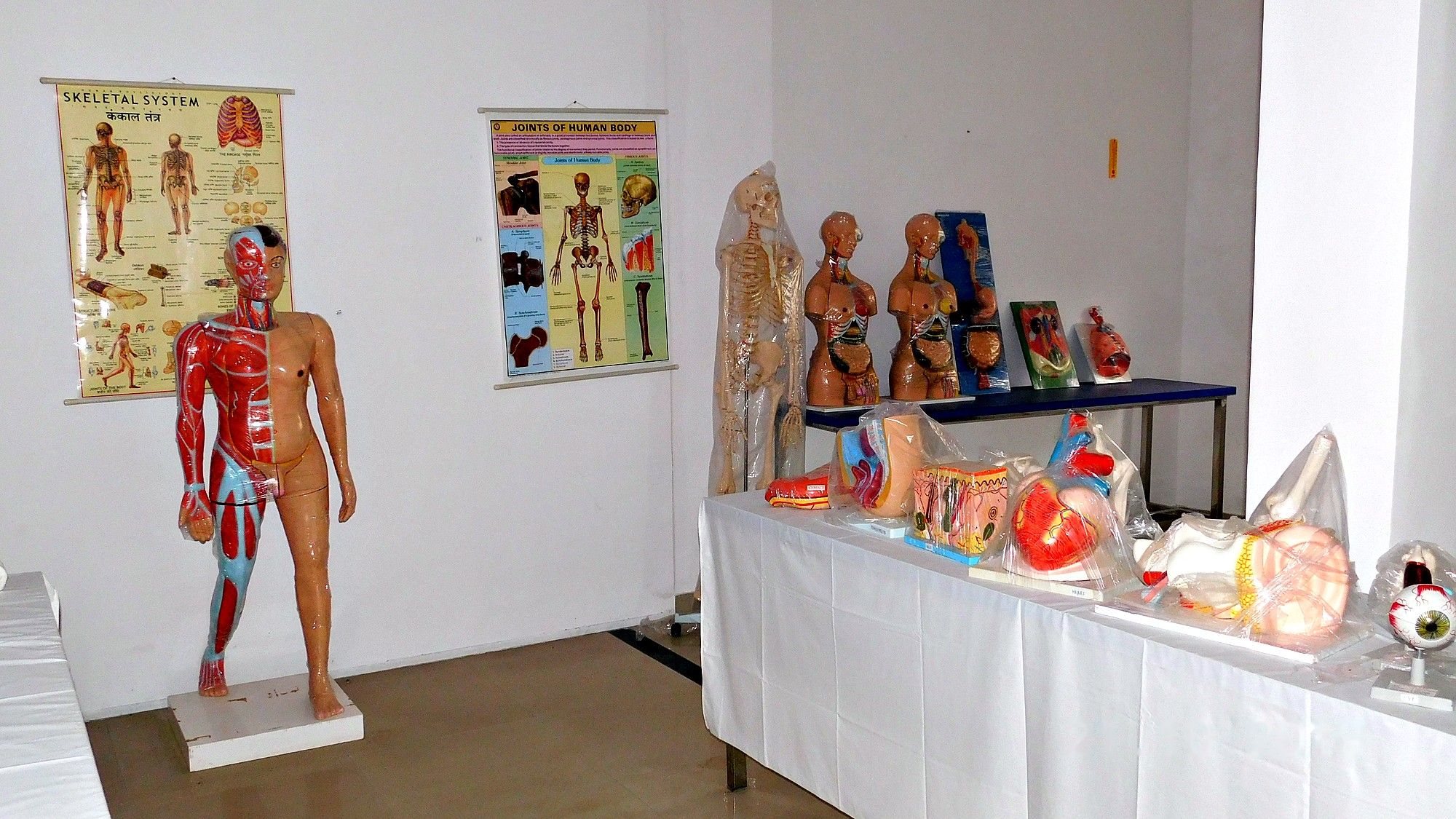
Community Health and Nutrition Laboratory
The laboratory covers community health nursing, health education, nutrition assessment and dietary planning. You learn to explain health advice in language that families can understand. Work on nutrition and diet helps you connect classroom learning with the needs discussed during community visits.
What students practise: You practise health education, nutrition assessment and dietary planning for community postings.
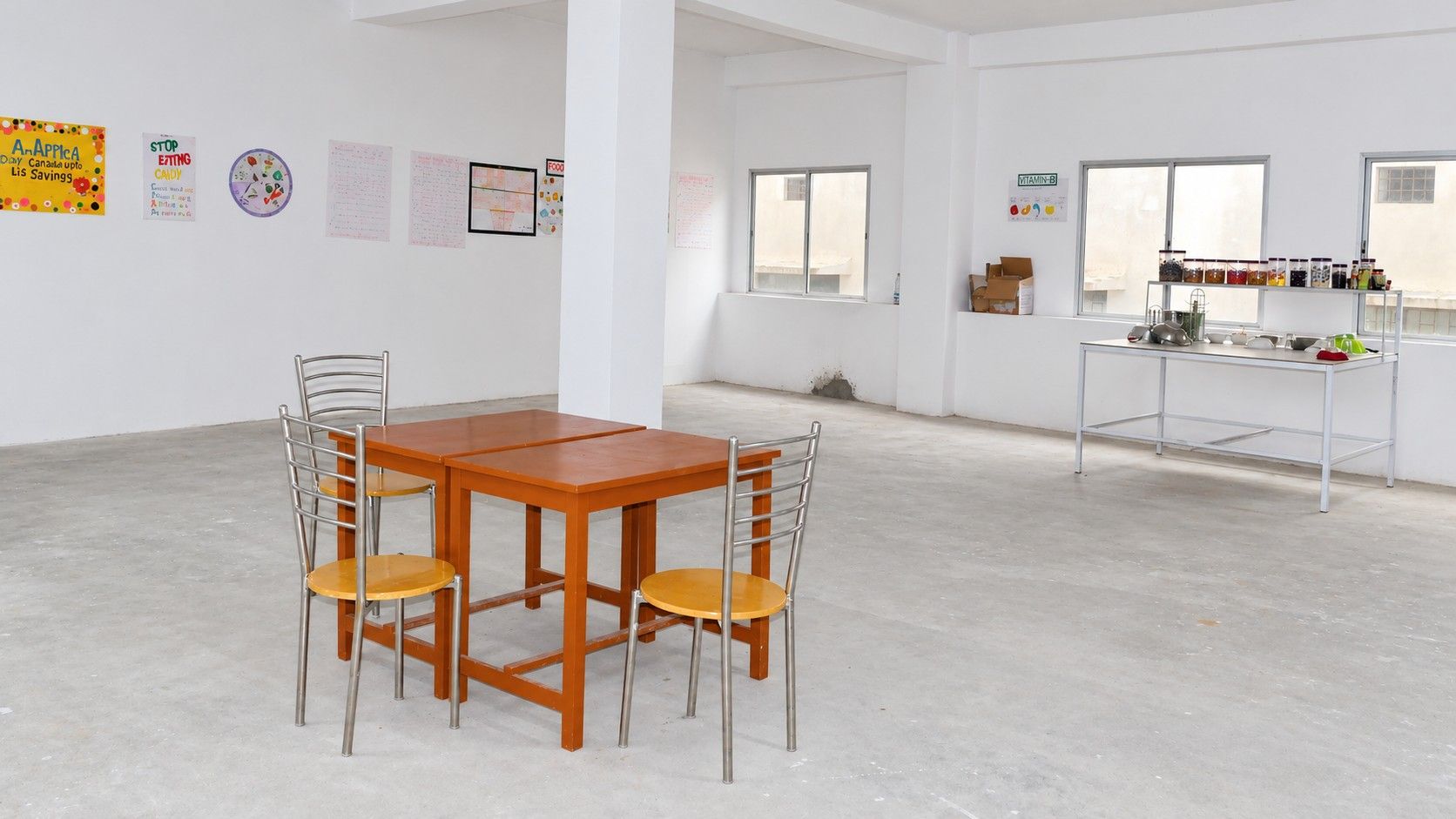
Audio-Visual Aids Laboratory
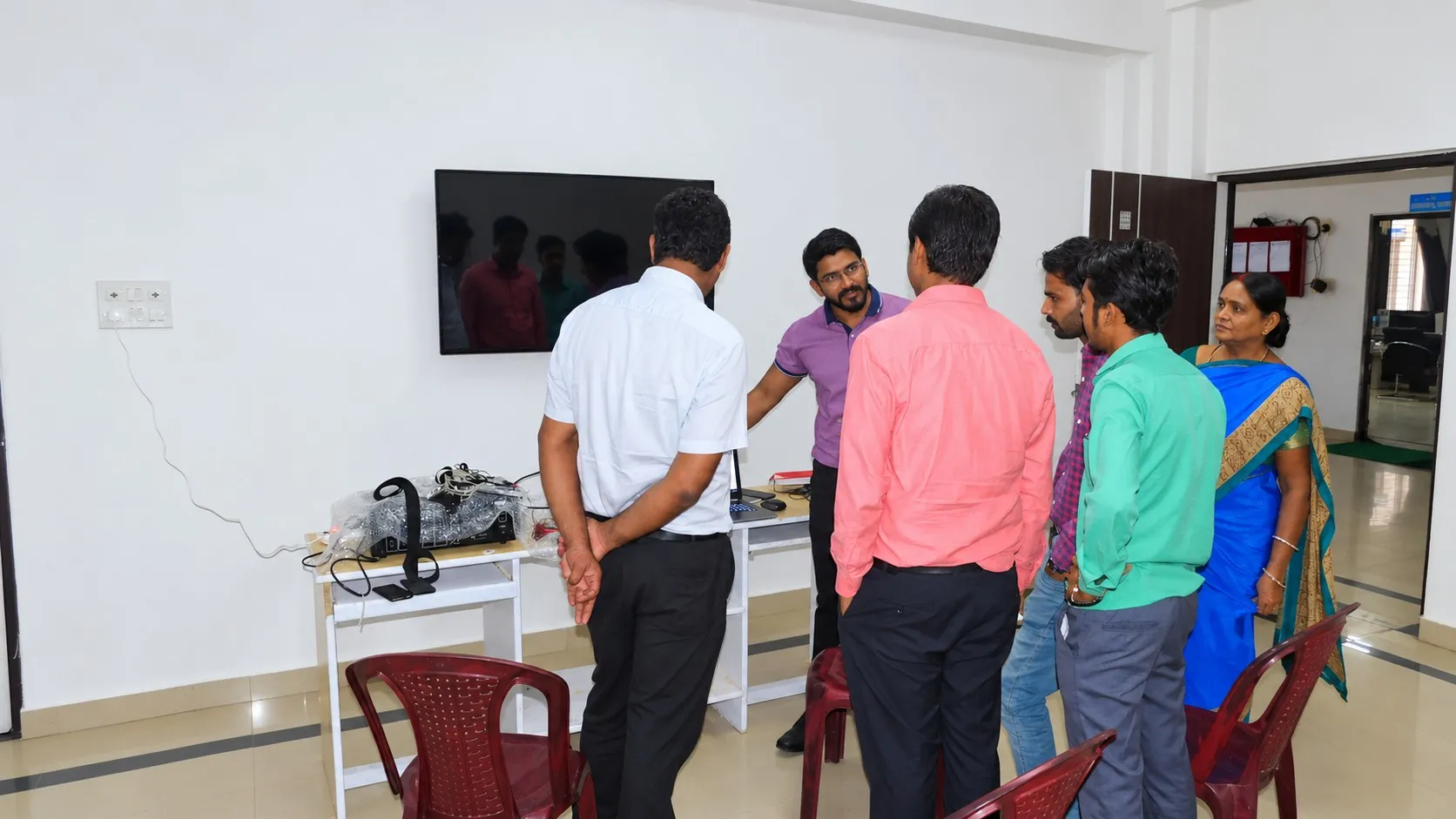
The laboratory provides teaching resources for demonstrations and presentations. You learn to organise information so that a patient, family or student can follow the explanation. Preparing health-education material also helps you choose clear messages for community teaching.
What students practise: You prepare demonstrations, presentations and health-education material.
Virtual Reality Laboratory
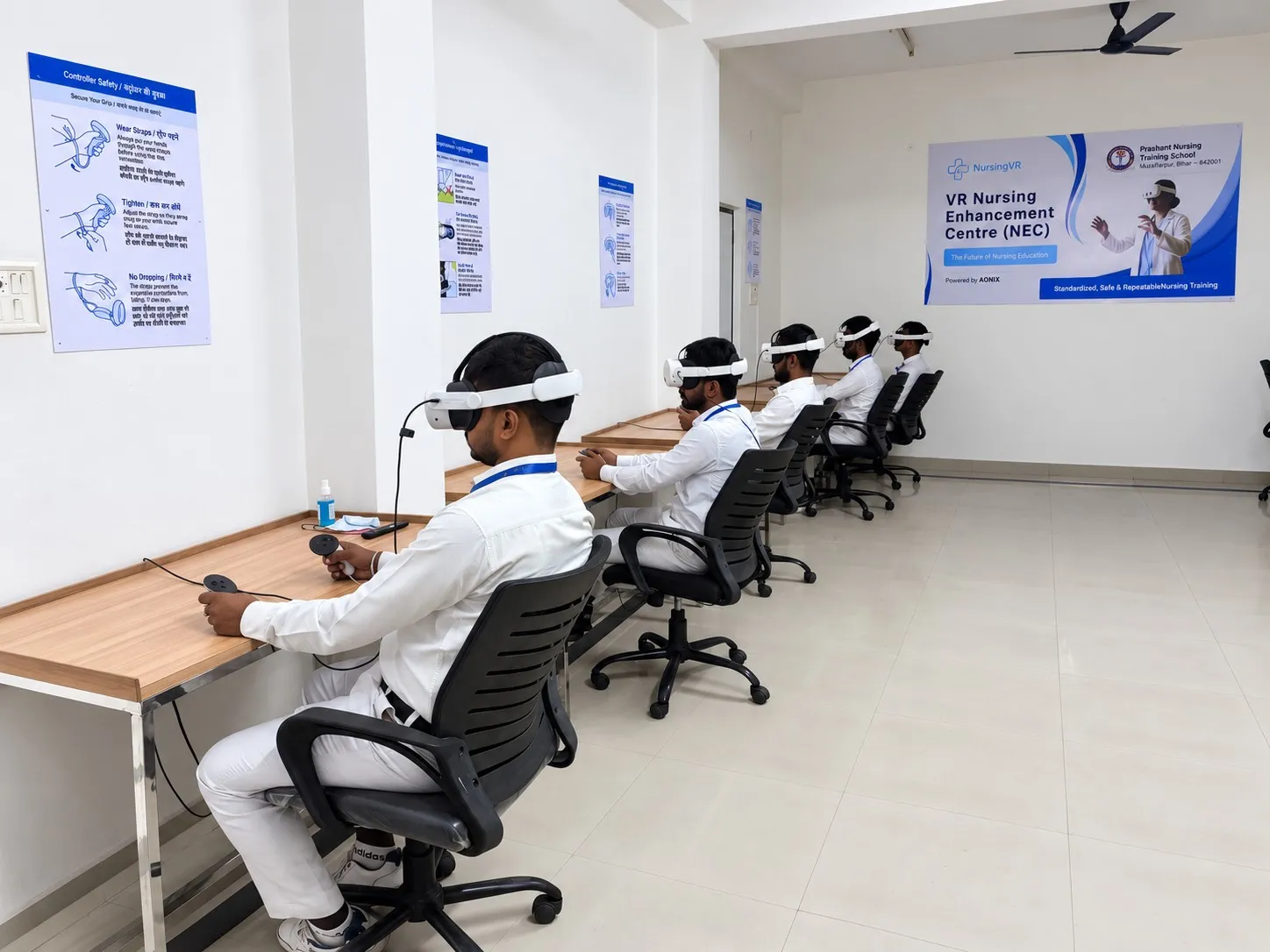
The VR Nursing Enhancement Centre uses virtual reality to recreate clinical situations, so you can rehearse the steps of a procedure before performing it on the ward.
Computer Laboratory
The computer laboratory has 60 computers for computer literacy, assignments and online learning. GNM Year 1 includes Computer Education. You use these resources to prepare written work and study material related to your course. Computer practice supports the use of digital information alongside classroom teaching.
Library
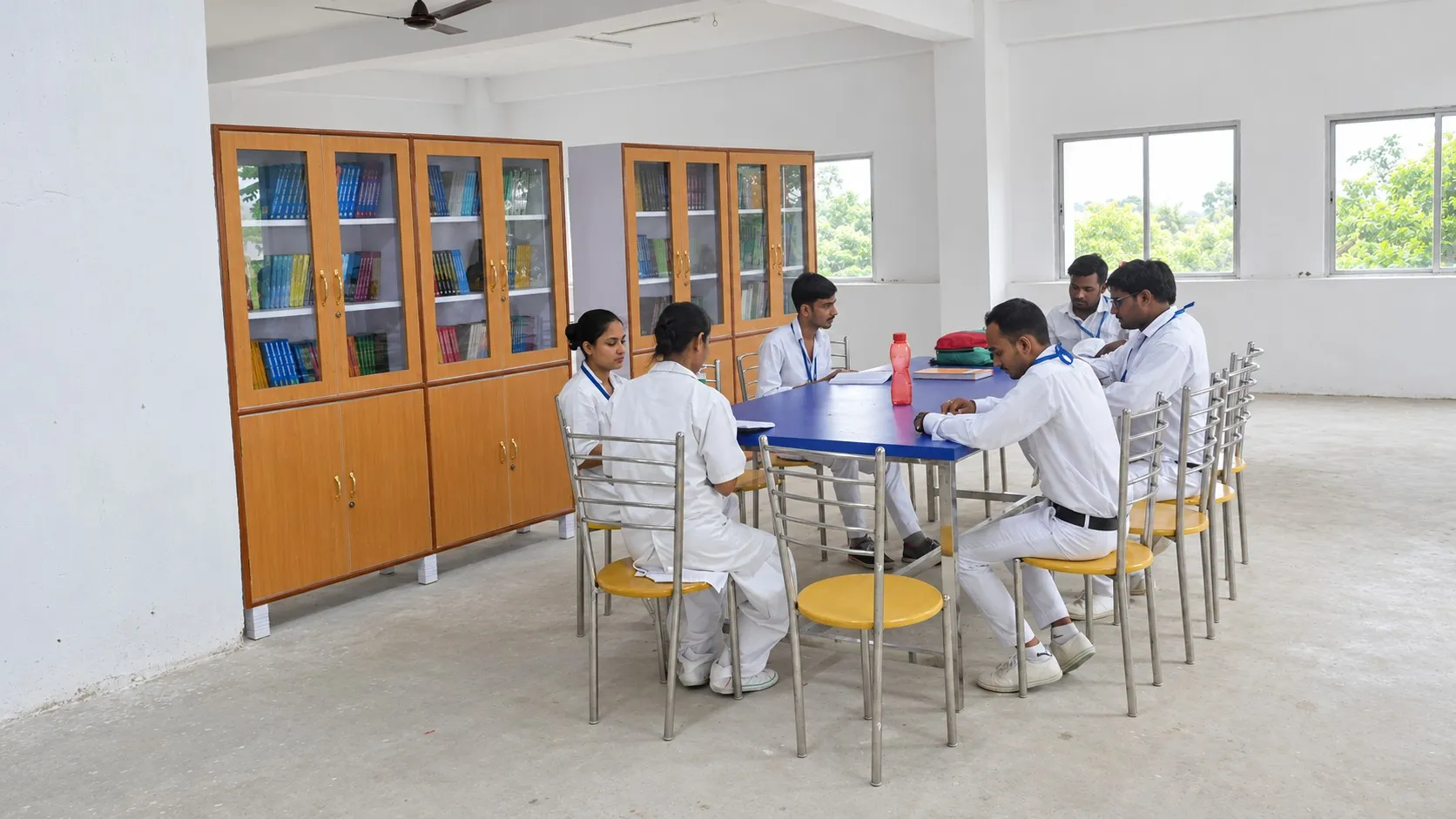
The library holds more than 500 books. Its collection includes nursing textbooks, medical reference books and study material. You can use these resources to review a topic after a lecture and read about the care discussed during clinical training. Reference reading helps you connect the reasons for a procedure with its practical steps.
Classrooms
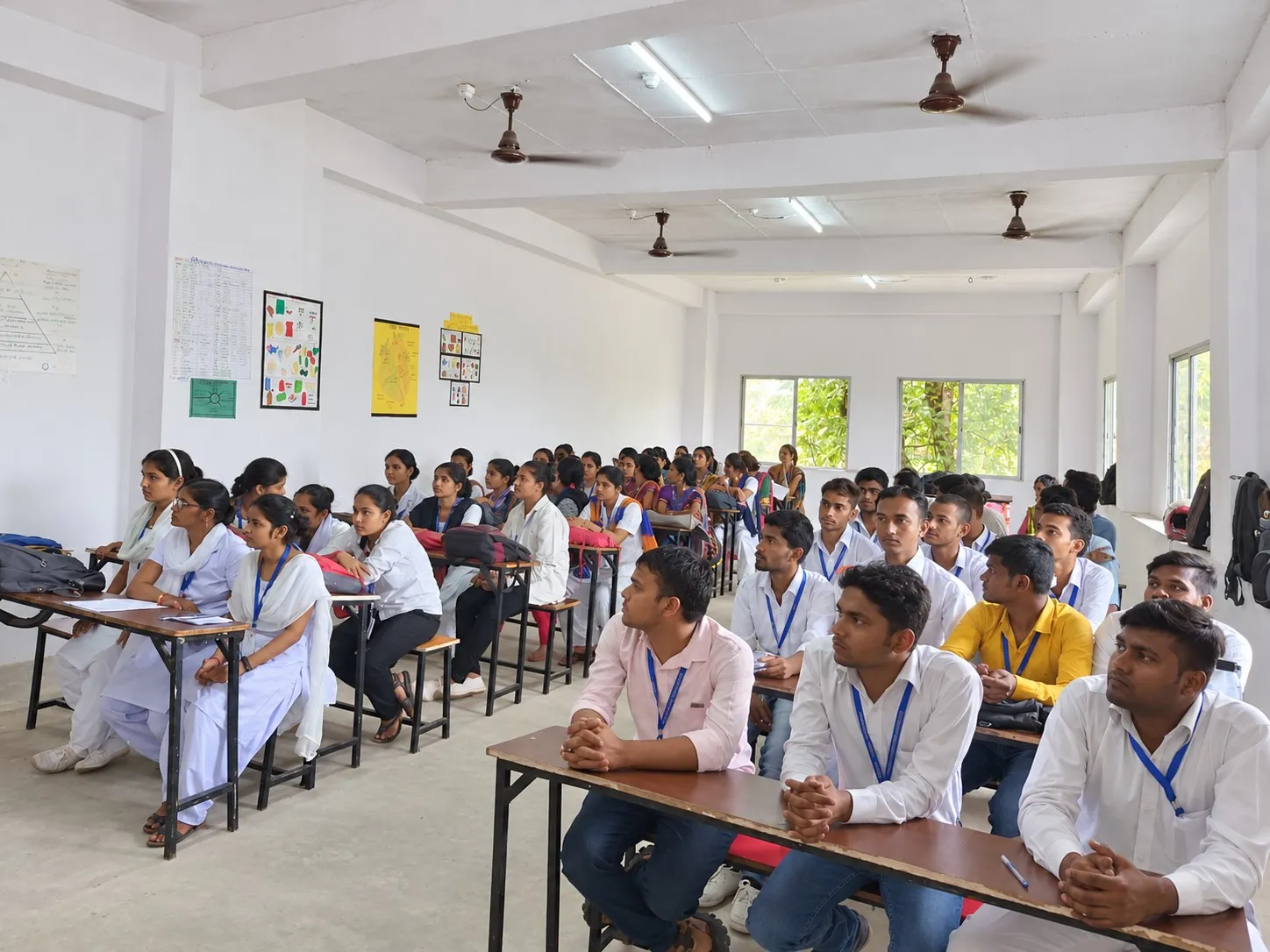
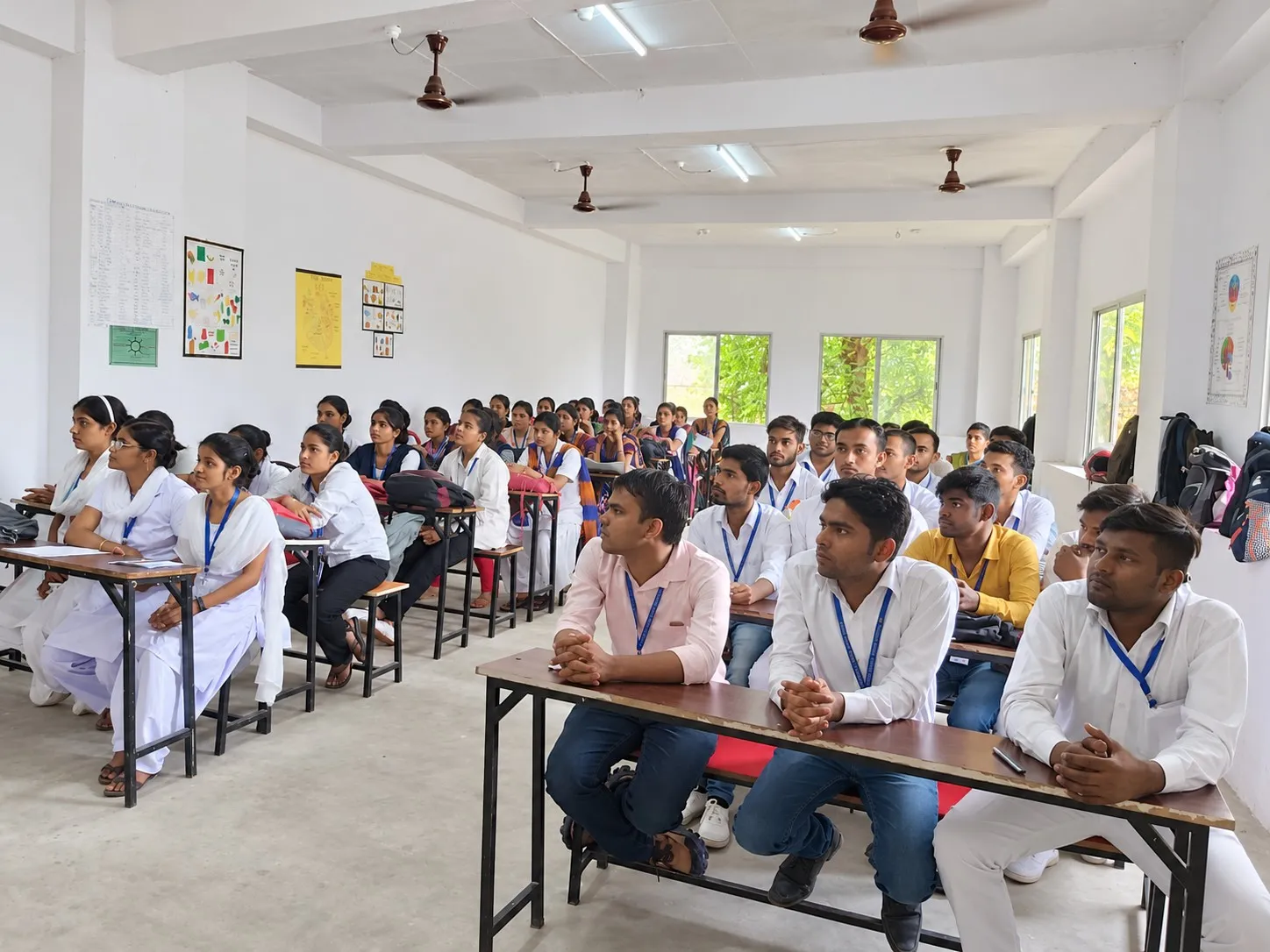
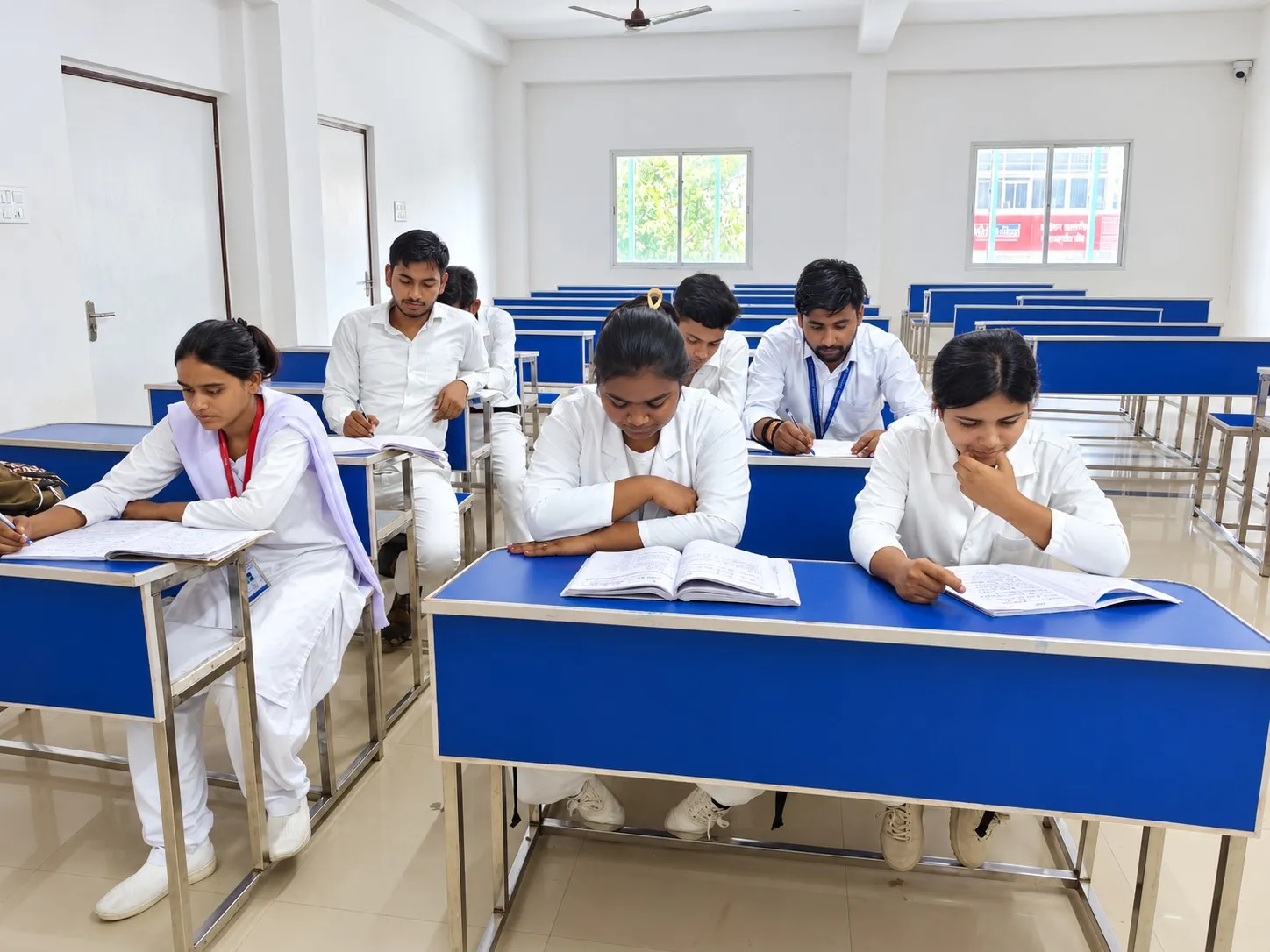
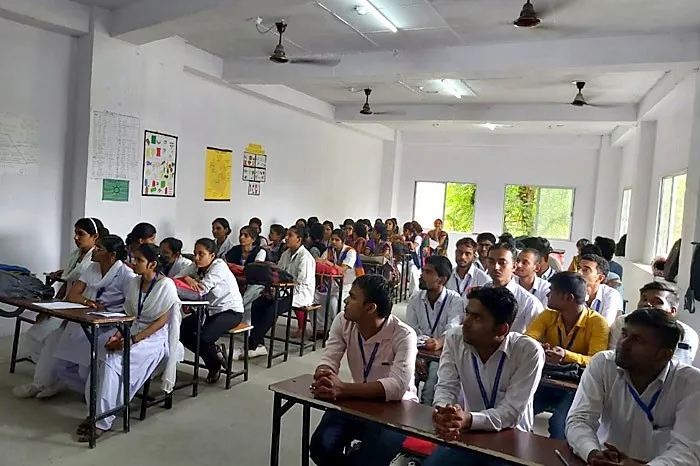
Classroom teaching combines lectures, demonstrations, discussions and audio-visual resources. You learn the principles behind nursing care and discuss how they apply to patient situations. These lessons prepare you for laboratory practice and help you understand the work observed during hospital postings.
College life